St Mary’s, where learners become leaders
We work for the development of the whole person in preparation for a lifetime of learning and leadership.
Faith in educational opportunity defines both our history and our future.
Our Mission Statement is an expression of intent which we communicate confidently to our College community as well as our stakeholders and society in general.
Our Educational Values
St Mary’s is a student-centered educational community whose members support one another with mutual understanding and respect.
We believe the true test of education is how students use their gifts and talents, not falling prey to individualism, fragmentation, consumerism and lack of caring but becoming truly human and being socially responsible.


Download a Prospectus
Explore the right course for you by downloading a prospectus
Life at St Mary’s
Our students will tell you that studying at St Mary’s is an uplifting and enriching social experience that goes hand-in-hand with high-quality educational development.
Learn more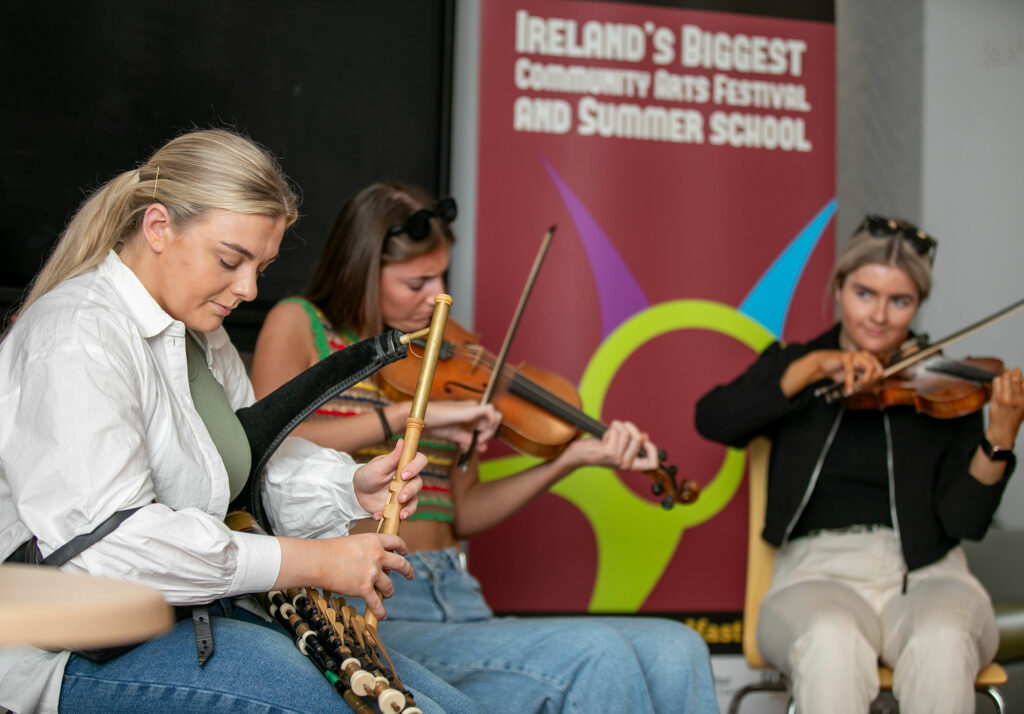
Join us for an Open Day
Explore the campus and meet the students and lecturers to experience first-hand the quality of education St Mary’s can offer.
View upcoming open days